Undergrowth Removal in Gwinnett County, GA
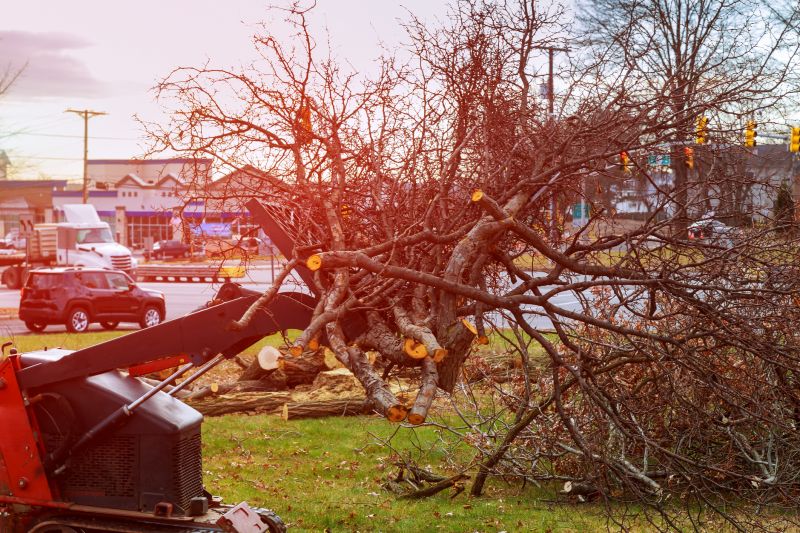
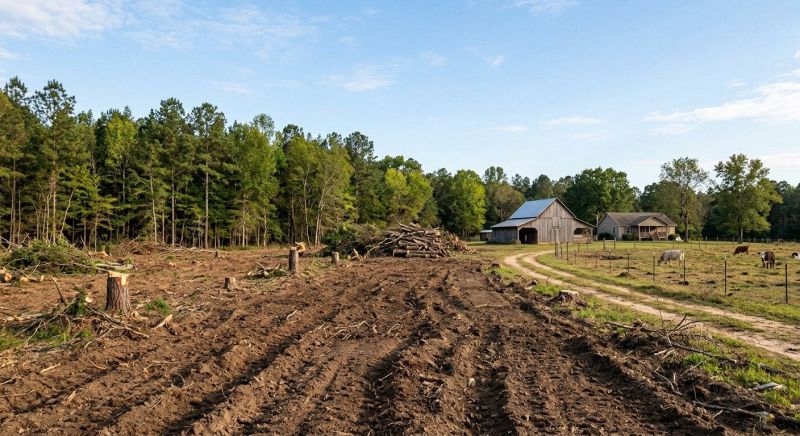
Undergrowth removal services involve clearing dense vegetation, shrubs, and small trees that have grown close to structures, pathways, or other landscaped areas. This process is often requested for projects such as preparing a yard for new landscaping, preventing pest or fire hazards, or restoring access to certain parts of a property. Property owners typically want to understand what types of vegetation can be safely removed, the extent of clearing needed, and how the work might impact existing plants or structures. Clarifying these details helps ensure the project meets specific goals and maintains the property’s overall appearance and safety.
Before requesting undergrowth removal, property owners should consider the current condition of the vegetation, the desired outcome, and any restrictions or regulations related to tree or plant removal in the area. It’s also helpful to know if there are any underground utilities or hidden features that could affect the work. Understanding the scope of the project and the potential need for ongoing maintenance can support better planning and ensure the work aligns with long-term property management goals.
Many property owners in Gwinnett County, GA look into Undergrowth Removal for repairs, replacements, upgrades, and appearance-related improvements.
Benefits Of Undergrowth Removal
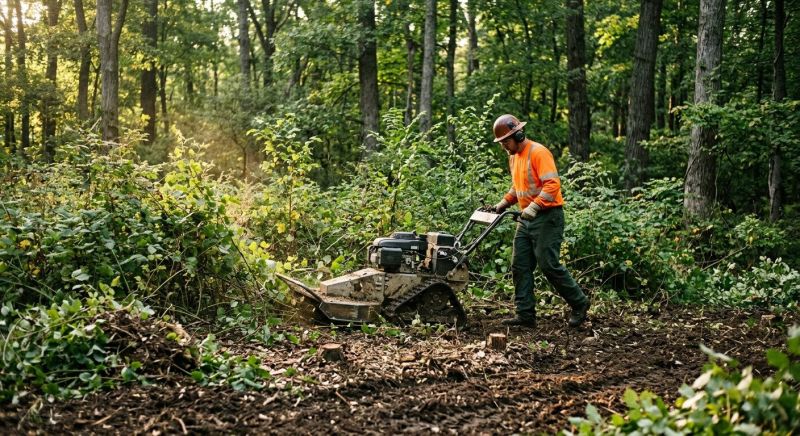
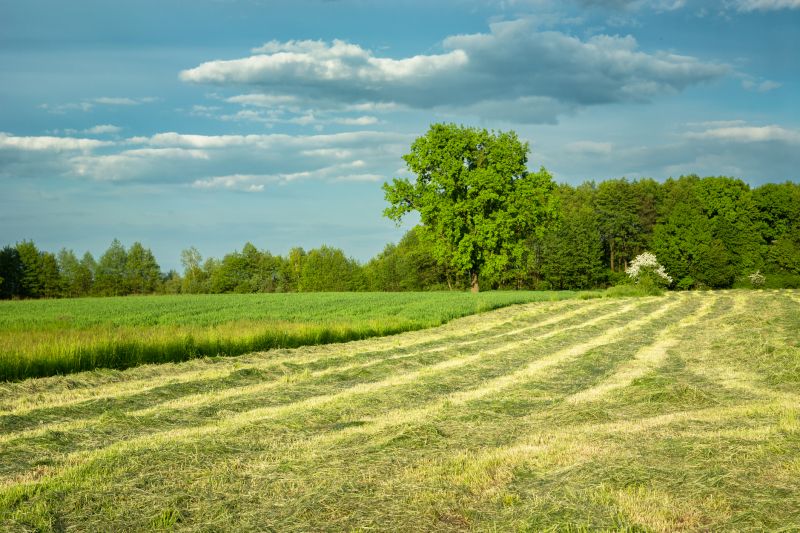
Clearing undergrowth improves safety and enhances the appearance of residential and commercial properties.
Common Undergrowth Challenges
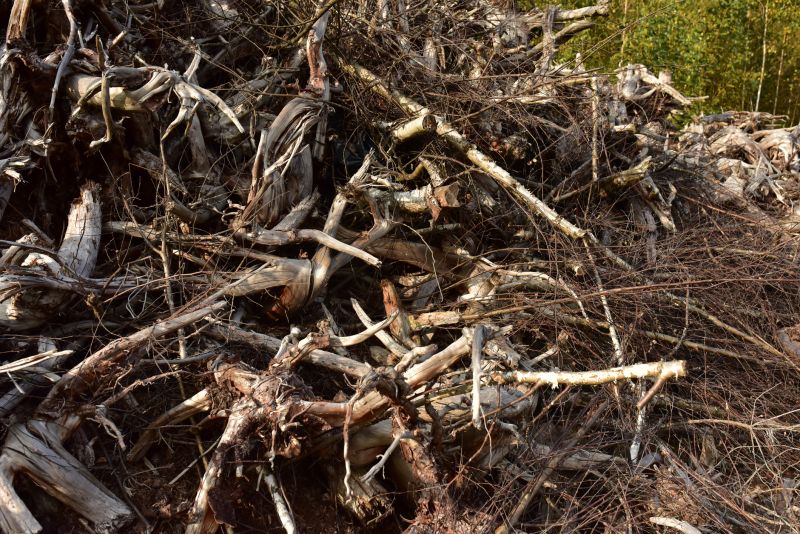
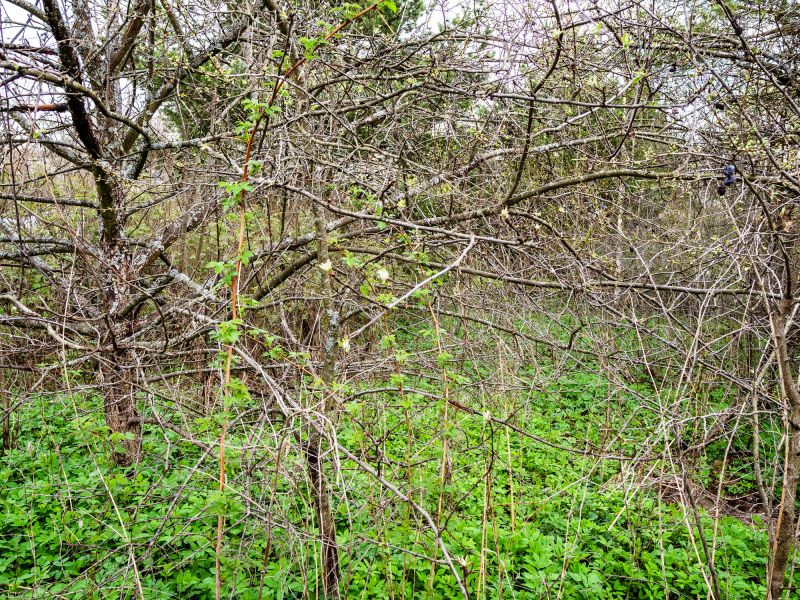
Overgrown areas can harbor pests, obstruct views, and hinder lawn maintenance efforts in gwinnett county neighborhoods.
Types Of Undergrowth Removed
Services typically include removal of shrubs, small trees, invasive plants, and dense brush to restore landscape clarity.
Undergrowth Removal in Gwinnett County, GA
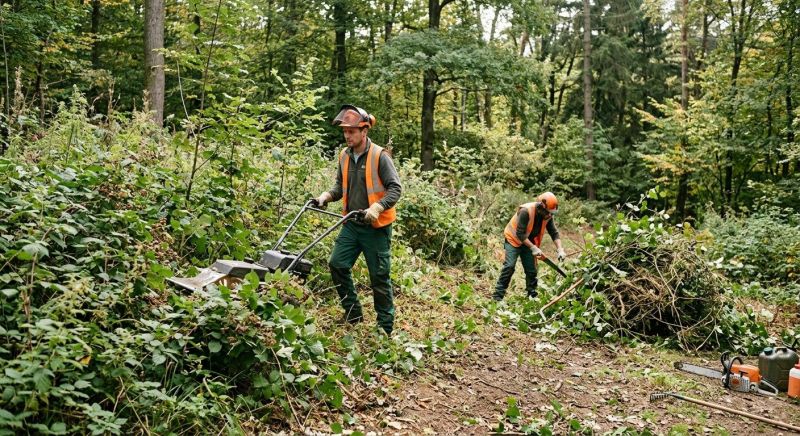
Undergrowth removal services involve clearing dense vegetation, shrubs, and small trees that have grown close to structures, pathways, or other landscaped areas. This process is often requested for projects such as preparing a yard for new landscaping, preventing pest or fire hazards, or restoring access to certain parts of a property. Property owners typically want to understand what types of vegetation can be safely removed, the extent of clearing needed, and how the work might impact existing plants or structures. Clarifying these details helps ensure the project meets specific goals and maintains the property’s overall appearance and safety.
Before requesting undergrowth removal, property owners should consider the current condition of the vegetation, the desired outcome, and any restrictions or regulations related to tree or plant removal in the area. It’s also helpful to know if there are any underground utilities or hidden features that could affect the work. Understanding the scope of the project and the potential need for ongoing maintenance can support better planning and ensure the work aligns with long-term property management goals.
Many property owners in Gwinnett County, GA look into Undergrowth Removal for repairs, replacements, upgrades, and appearance-related improvements.
Common Undergrowth Removal Jobs
Undergrowth Removal - Clearing overgrown plants and brush to improve yard visibility and access.
Vegetation Clearing - Removing invasive plants and dense underbrush to promote healthy landscape growth.
Brush Clearing - Eliminating thick brush to reduce fire hazards and improve property safety.
Overgrown Yard Cleanup - Restoring neglected areas with extensive undergrowth to a tidy condition.
Wildfire Risk Reduction - Removing combustible undergrowth to minimize fire hazards on residential properties.
Pathway and Garden Clearing - Clearing undergrowth that obstructs walkways, gardens, and outdoor living spaces.
Undergrowth Removal Questions
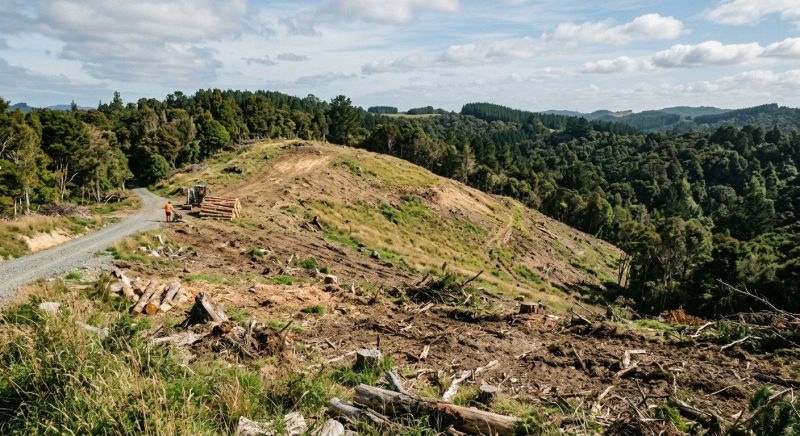
What is undergrowth removal? Undergrowth removal involves clearing dense plants, shrubs, and small trees to improve property appearance and safety.
When should property owners consider undergrowth removal? It is recommended when overgrown vegetation starts to block views, hinder access, or pose fire hazards.
What types of projects typically require undergrowth removal? Projects include clearing overgrown yards, preparing land for landscaping, or maintaining firebreaks and pathways.
How does undergrowth removal benefit property maintenance? It helps prevent pest issues, reduces fire risks, and enhances the overall landscape appearance.
Request Undergrowth Removal in Gwinnett County, GA
Use the quote form on this page to share the basics of your project and request more information for the type of work you need.